Not sure where to start with dutch food? Begin with hearty winter mash, a plate of bitterballen and something sweet like poffertjes. This guide walks you through the classics and the cafe habits around them.
| Item | Value |
|---|---|
| Potatoes became a staple ingredient | 18th century |
| Hollandse Nieuwe herring season | Generally May 1 to August 31 each year |
| Minimum fat for Hollandse Nieuwe herring | At least 16 percent |
| Age of extra-mature Gouda | 2+ years |
| Eggs on a classic uitsmijter | Three fried eggs on bread |
These figures come from IamExpat’s Dutch food overview and Amsterdam Foodie’s guide to traditional Dutch food. They can change, so check the source before you rely on them.
What shapes dutch food?
Dutch food is shaped by trade and travel. According to IamExpat’s overview, updated on May 25, 2025, the Netherlands’ colonial history means the cuisine is peppered with foreign influences, and most dishes are in some way inspired by countries abroad.
The dishes that became traditional were, as a rule, filling, hot and sturdy. They kept people full and warm in winter, which makes sense once you look at the climate. Favoured ingredients were grown on local farms, then smoked, dried or pickled so they would last through the cold months.
Staples changed over time. Grains and legumes were the earliest main ingredients once farming was established, and IamExpat notes that the potato only became a staple in the 18th century.
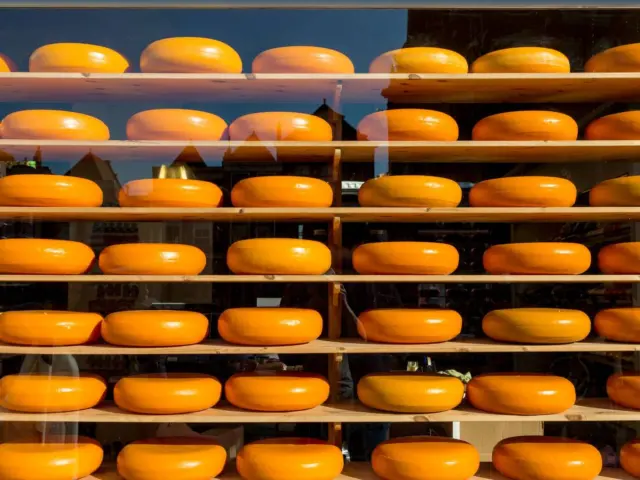
Cattle farming explains why dairy became such a much-loved ingredient and why the country is so well known for its cheeses. You can see it at the table in everything from a cheese kroket to a slab of aged Gouda.
There is also a running joke about the label itself. A DutchReview writer says the writer was quite disappointed to be told there is no real national cuisine, and the locals agreed. Take that as a hint to think of Dutch food as a set of comforting habits, such as mash, snacks, pancakes and pastries, rather than one grand menu.
Hearty dishes for cold weather
The everyday dinner has its own shorthand: the AVG’tje, which stands for aardappel, vlees, groenten (potato, meat and vegetables). IamExpat says many Dutch households don’t follow a recipe for a specific dish so much as whip up a combination of these basic essentials.
Beyond that formula, a handful of named dishes turn up again and again:
- Stamppot: a mash of potatoes with leftovers or other ingredients such as kale, endive, cabbage or sauerkraut, often served with smoked sausage and gravy.
- Hutspot: a potato, carrot and onion mash, usually with meat on the side. A tender, slow-cooked beef called klapstuk is a typical partner.
- Erwtensoep or snert: a thick, hearty split pea soup made with sausage and vegetables, often eaten in winter.
- Brown bean soup: another winter soup, prepared slowly over many hours with brown beans, vegetables, meats and spices such as cloves, juniper berries and thyme.
- Hachee: meat, fish or poultry and vegetables stewed into a thick gravy with vinegar, cloves and laurel leaves.
- Huzarensalade: a variation of Russian salad made with eggs, potatoes, pickles, vinegar and mayonnaise, normally served cold as a side dish.
Pea soup is a lesson in patience. After preparation the soup thickens, and the next day more meat is added, after which it becomes snert. Exploring the Netherlands says it is so rich your spoon might stand upright in the bowl.
Rookworst is the usual partner for stamppot. Amsterdam Foodie describes it as a tasty pork sausage that originates from the Gelderland province. You can eat it in a broodje (sandwich), sliced and dipped in mustard with an after-work beer, or alongside the mash.
Seasonal food has its own rhythm too. You’ll find white asparagus all over restaurant menus in May but almost never at any other time of year, according to Amsterdam Foodie. Flemish cooks dress it with butter, eggs and parsley, and the habit has been creeping north.
The Indonesian thread is easy to spot as well. Exploring the Netherlands describes the rijsttafel (rice table) as a Dutch-Indonesian feast of small dishes such as satay, curries, sambal and fried bananas, served with rice cooked in different ways.
Pancakes, eggs and the Dutch brunch table
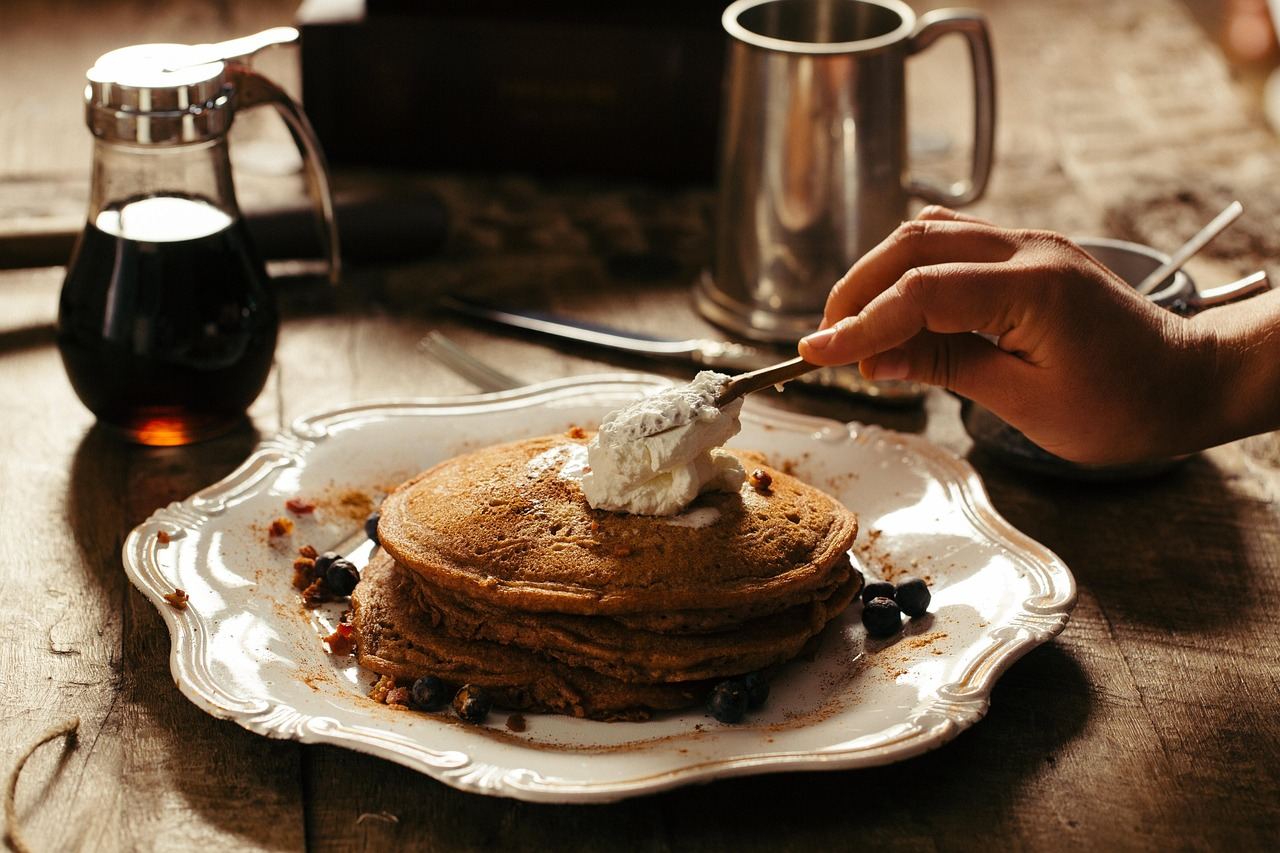
A Dutch pancake is not quite what you may expect at brunch. IamExpat says Dutch pancakes are large enough to fill a big frying pan and are usually eaten for dinner, rather than for breakfast.
Amsterdam Foodie places them between French crepes and American pancakes: thicker than the first, thinner than the second, and usually the size of a dinner plate. Toppings range from bacon and cheese to apple and cinnamon.
Pancake houses often serve them with sweet and savoury fillings, from syrup, powdered sugar and apple to cheese, spinach and bacon. The filling goes in while the pancake is still in the pan, and it is served flat rather than rolled like a crepe, IamExpat explains.
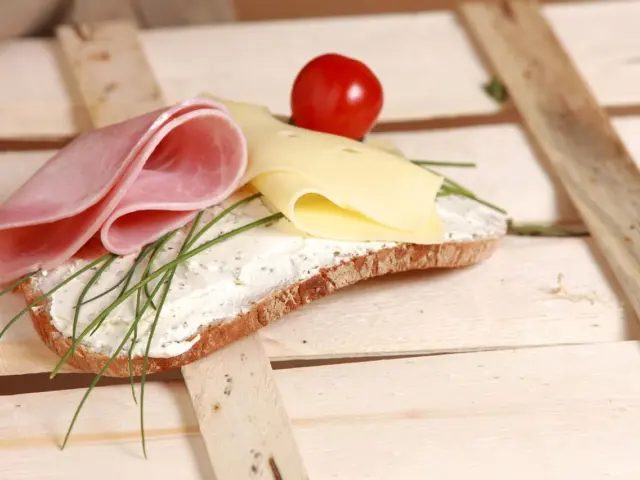
The classic egg plate is the uitsmijter: three fried eggs on sliced white or brown bread, usually topped with ham, cheese or both, according to Amsterdam Foodie. Bacon and tomatoes are sometimes options too. You’ll find it on the breakfast and lunch menus of many Dutch and not-so-Dutch cafés.
The name is the same word given to bouncers at bars or nightclubs. One theory says the dish is so quick and easy to prepare that a customer who orders it leaves soon after eating, as if thrown out. To make one at home, follow the uitsmijter recipe.
For the rest of the morning table, the page on a traditional dutch breakfast covers the wider picture. If you are planning a menu, the brunch ideas page gives you more directions to mix with these dishes.
Bar snacks and street food
Snacks are everywhere. IamExpat says they are sold at street stands and served as appetisers in bars and restaurants, and that both savoury and sweet snacks are considered part of the Dutch national identity. The savoury ones are the staple of every after-work borrel.
Exploring the Netherlands adds that street food is a big part of Dutch food culture, especially at open-air markets and festivals. Here is the savoury lineup you are most likely to meet:
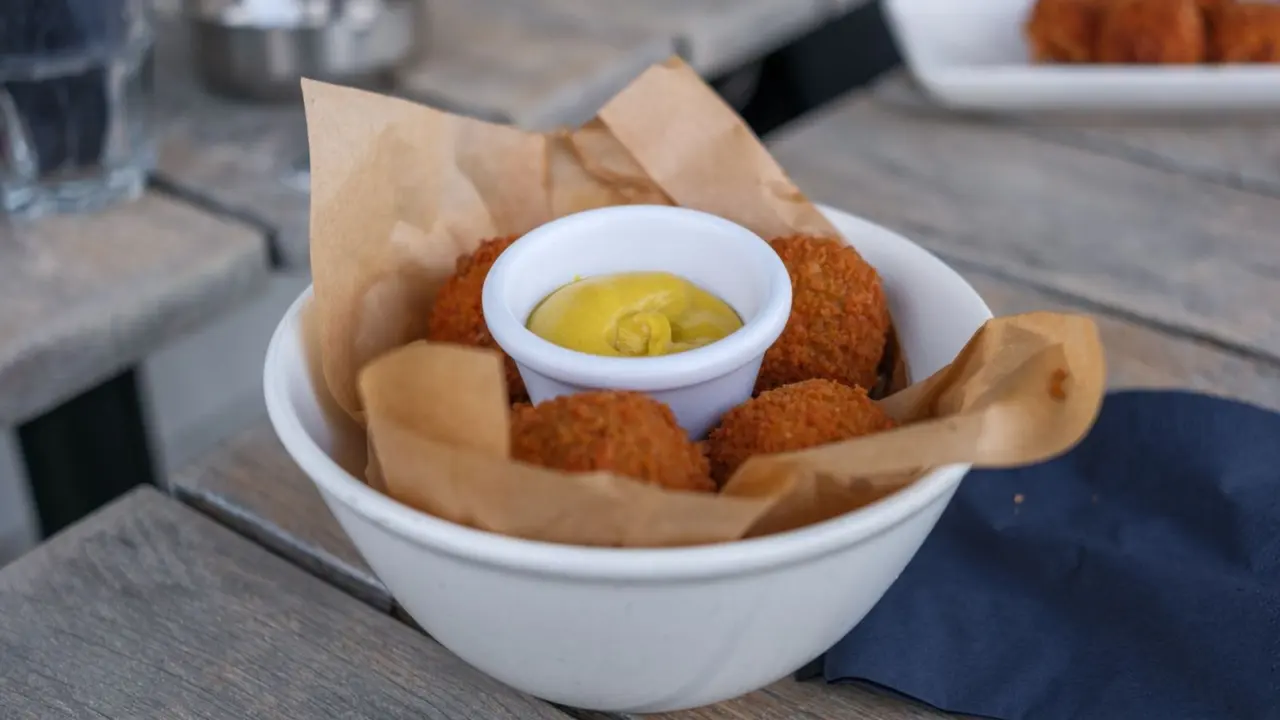
- Bitterballen: crisp, breaded, deep-fried balls with a soft, almost liquid meat filling, served with mustard.
- Kroketten: the same idea in a tube shape, often tucked into a sandwich.
- Frikandel: a skinless, deep-fried sausage eaten warm.
- Hollandse Nieuwe: raw herring served with onion or pickles.
- Kibbeling: battered, deep-fried pieces of white fish, usually cod.
- Patat or friet: thick fries with sauces piled on top.
Bitterballen start as a very thick stew, usually meat and now often vegetables, which is refrigerated until it firms up, rolled into balls, breaded and deep-fried. IamExpat says the name comes from the fact that they were traditionally served with jenever. Our page on bitterballen goes deeper into the snack.
They are searingly hot in the middle, so Amsterdam Foodie advises letting them cool for five minutes before dipping one in mustard. Almost every brown café serves them, and a beer helps between bites.
DutchReview suggests pairing them with a kopstootje, which is a glass of beer served with a shot of jenever. It is a bar-table classic rather than a gentle first drink.
Kroketten and bitterballen are, in IamExpat’s words, two different shapes but essentially the same thing. Exploring the Netherlands calls bitterballen the pub variant of the kroket, which is more oblong and often served with a bread bun.
DutchReview says krokets were originally made from ragout, and its writer’s favourite is the kaaskroket filled with cheese. Be careful with the first bite, because they are quite hot inside.
Frikandellen are skinless, deep-fried sausages that are eaten warm. IamExpat calls them the most popular fast food snacks in the Netherlands, and says they are more popular even than kroketten.
Hollandse Nieuwe is the name for raw herring, generally caught between May 1 and August 31 each year. As of IamExpat’s May 25, 2025 update, it is a regionally protected product in Europe, and the herring must be at least 16 percent fat and be cleaned in the right way.
How you eat it is a local debate. The “Amsterdam way” is sliced into small pieces, topped with raw onion and eaten with a toothpick, while the “Rotterdam way” involves tipping your head back and lowering the entire fish into your mouth, says Amsterdam Foodie. IamExpat adds that the traditional method is to grab the herring by the tail.
The same guide says the arrival of the new herring in June every year is an event in itself. Exploring the Netherlands points to Vlaggetjesdag (Flags Day), celebrated on the Saturday before Pentecost, when crowds gather to taste the first catch served straight from the boats.
Dutch fries are thick, crispy and come in a paper cone with sauces piled on top, according to Exploring the Netherlands. The famous order is patatje oorlog: fries with mayonnaise, peanut or satay sauce and raw onions. Amsterdam Foodie links the peanut sauce to Indonesian influence.
The name of the fries depends on where you are. DutchReview notes that the north of Holland, including Rotterdam, says patat, whereas the south and Belgium call them friet.
If raw fish is not for you, try kibbeling. Amsterdam Foodie describes it as small pieces of white fish, battered and deep-fried to golden deliciousness, and Exploring the Netherlands calls it the Netherlands’ answer to fish and chips, usually made with cod.
Sweet treats and regional bakes
Poffertjes are miniature fluffy pancakes, traditionally prepared with yeast and buckwheat flour in a special cast-iron pan with tiny hollows in which to pour the batter. Amsterdam Foodie says they became known as poffertjes because they puff up during cooking. Eat them freshly made at a market, with icing sugar melting all over them.
DutchReview calls them a tinier, fluffier version of the pancake. The classic version has powdered sugar and butter, and whipped cream, syrup or strawberries are optional extras. Start with the poffertjes recipe if you want to make them at home.
The stroopwafel is a spiced wafer, split in half and sandwiched with a layer of caramel. It comes from Gouda originally, though DutchReview says it can now be found all over the world. The stroopwafel history page tells the longer story.
To eat one the Dutch way, Exploring the Netherlands says to place it on top of your coffee or tea for a minute so the filling melts. Fresh from a market, the caramel is warm and gooey, which is nothing like the packaged version.
Dutch appeltaart is deep, spiced and filled with chunky apples and cinnamon, and Exploring the Netherlands says it is unlike American pie. It is always served with a generous dollop of whipped cream. You can bake your own with the dutch apple pie recipe.
Oliebollen are round, deep-fried balls of dough that, by custom, are served on New Year’s Eve. DutchReview says you’ll find oliebollen stalls popping up already in December. Add raisins or currants and you get the krentenbol, and expect powdered sugar on your scarf.
Pepernoten, which are mini spice cookies, are another Sinterklaas and Christmas tradition, according to DutchReview. The writer prefers the chocolate-covered ones, and says you can find flavours from cappuccino to tajine.
Many sweets are tied to a place, and IamExpat notes that the town or region often appears in the name as a mark of local identity. A few examples:
- Bossche bol from Den Bosch: a large, ball-shaped pastry filled with whipped cream and covered with chocolate.
- Limburgse vlaai from Limburg: a large, flat tart filled with sugared fruits and covered with a dough grid.
- Zeeuwse bolus from Zeeland: a sweet pastry made of bread dough rolled in brown sugar.
- Haagse hopjes from The Hague: hard boiled sweets with coffee and caramel flavour.
- Deventer koek from Deventer: round biscuits made with honey and pepper.
- Groninger koek from Groningen: a spiced, hearty cake made with rye and honey.
- Drentse turf from Drenthe: a heavy spice cake filled with walnuts and raisins.
Savoury regional foods exist too, such as Gelderse worst, a cooked sausage made from lean pork, and the Brabant sausage roll, a long white roll filled with a minced meat sausage. Amsterdamse uitjes, onions pickled in vinegar and spices, come from the capital.
Cheese, coffee and cafe habits
Real Dutch Gouda comes from the city of Gouda. Amsterdam Foodie says you can eat it young, extra-mature (2+ years) and every age in between, with the young version sweet and creamy and the old version salty and crumbly.
The Dutch also add spices to their cheese, so you may see komijnekaas (cheese with cumin seeds) or nagelkaas (cheese with cloves) on sale. For a fuller tour of the counter, see the guide to types of dutch cheese.
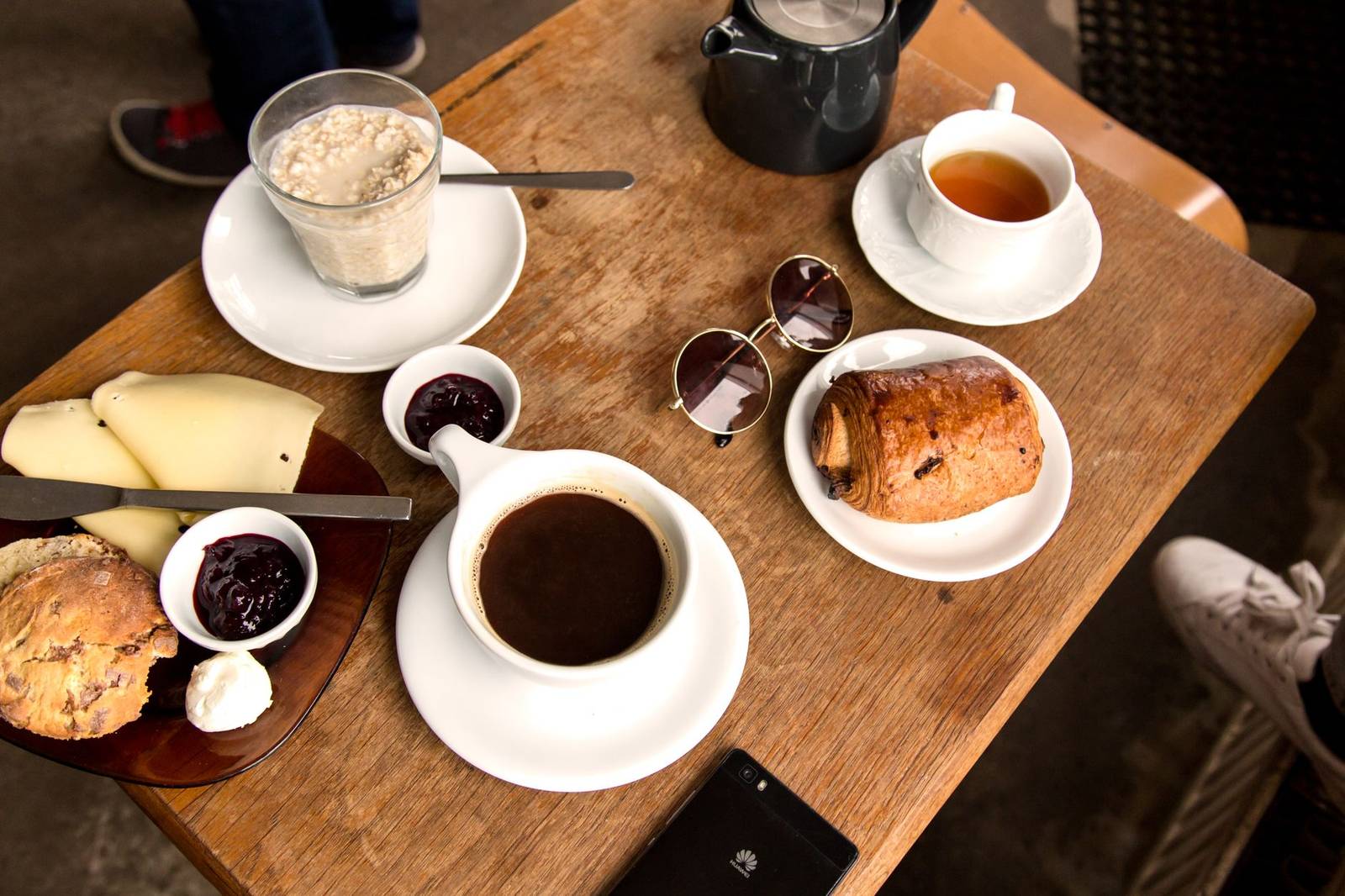
A hot drink is part of the sweet side of the menu. DutchReview suggests enjoying a stroopwafel with a hot cup of koffie or thee, and Exploring the Netherlands says Dutch desserts are often best enjoyed in a café with a hot drink. For the coffee side of the table, see the guide to koffie verkeerd.
The brown café carries the savoury side. Amsterdam Foodie says almost every one serves bitterballen as a popular beer snack. To see how these places fit together, read about cafe culture.
A few pairings, all drawn from the guides above, make a simple tasting plan:
- Stroopwafel on top of a cup of coffee or tea, so the caramel softens.
- Bitterballen with mustard and a beer, once they have cooled a little.
- A kopstootje, beer with a shot of jenever, if you want the traditional bar match.
- Poffertjes with powdered sugar and butter, ideally freshly made at a market.
- Appeltaart with whipped cream and a hot drink in a café.
Jenever, the spirit behind the bitterbal’s name, was referred to as a bittertje because of the herbs it contained, IamExpat explains. That small detail is a good reminder that in the Netherlands the drink and the snack were built to go together.
Frequently asked questions
What is a typical Dutch dinner?
Show answer
Many households keep it simple with the AVG’tje: aardappel, vlees, groenten, meaning potato, meat and vegetables, as IamExpat explains. Stamppot with smoked sausage or hutspot with meat on the side are classic versions in winter.
Do the Dutch eat pancakes for breakfast?
Show answer
Usually not. IamExpat says Dutch pancakes are usually eaten for dinner, rather than for breakfast. At breakfast and lunch you are more likely to see an uitsmijter, with three fried eggs on bread, on the café menu.
How do you eat Hollandse Nieuwe herring?
Show answer
Choose a local style. In the “Amsterdam way” the fish is sliced into small pieces, topped with raw onion and eaten with a toothpick, and in the “Rotterdam way” you tip your head back and lower the entire fish into your mouth, per Amsterdam Foodie. Onion or pickles are common extras.
What do you eat with bitterballen?
Show answer
Mustard is the usual dip, and beer is the usual drink. DutchReview also suggests a kopstootje, a glass of beer served with a shot of jenever.
When do you find oliebollen?
Show answer
By custom they are served on New Year’s Eve, but DutchReview says stalls start popping up in December. Eat them with powdered sugar and your bare hands.