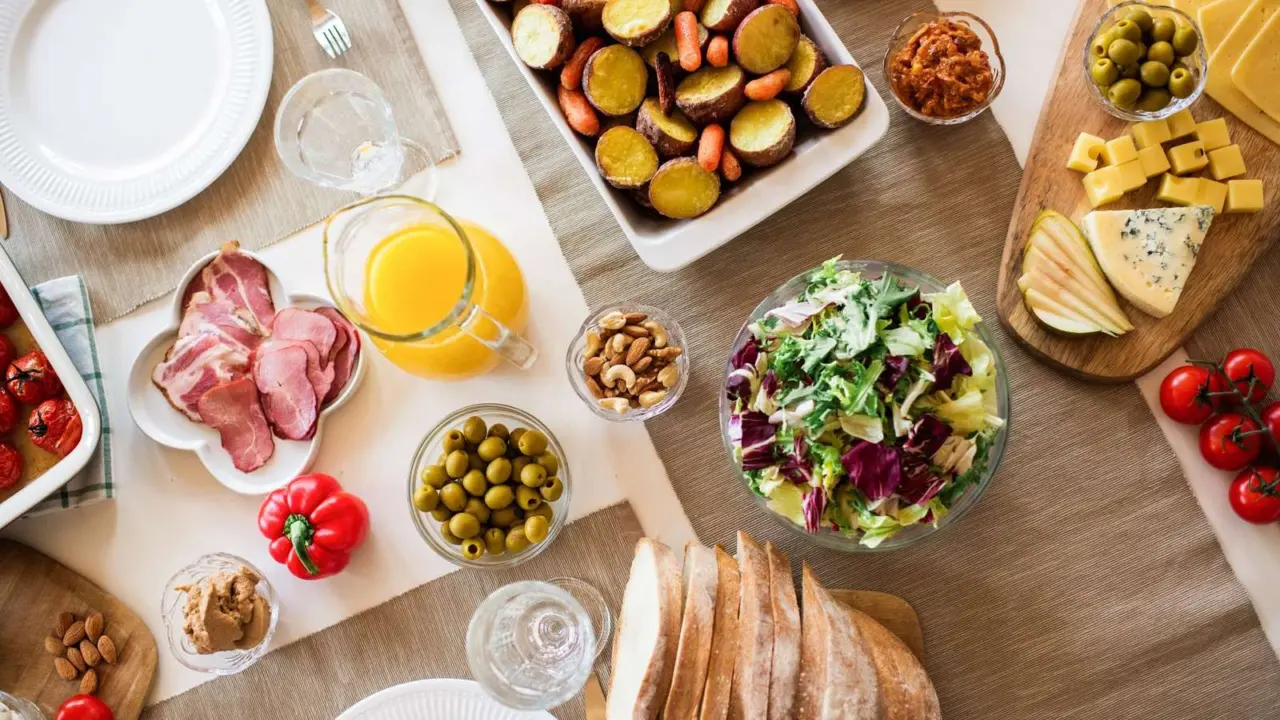
Planning a weekend table and not sure what to cook? The best brunch ideas pair an egg dish, a sweet dish, fresh fruit and a drink, with most of it prepped ahead so you can sit down too.
| Item | Value |
|---|---|
| First known print use of “brunch” (Guy Beringer, “Brunch: A Plea”) | 1895 |
| Cook eggs and mixed egg dishes until | 160°F |
| Refrigerator temperature for eggs | 40°F or below |
| Raw shell eggs in the refrigerator | 3 to 5 weeks |
| Hard-boiled eggs in the refrigerator | 1 week maximum |
| Eggs left out at room temperature | Discard after 2 hours |
The egg figures come from the UConn Extension egg safety fact sheet (April 2024), and the 1895 date comes from The Irish Times. Figures can change, so check the sources before you rely on them.
Where did brunch come from?
Brunch began as a proposal, not a restaurant trend. British writer Guy Beringer is believed to be the first person to use the word in print, in his 1895 article “Brunch: A Plea”, according to The Irish Times. He imagined a new meal served around noon that starts with tea or coffee, in place of a heavy early Sunday dinner.
The idea had older roots. Food writer Jessup Whitehead set out a lavish post-hunt breakfast in 1889, with apple marmalade, apricot jam, stewed prunes with clotted cream, broiled kidneys and salmon steaks, as The Irish Times recounts. By 1896, Punch magazine was calling brunch an excellent portmanteau word for a combined breakfast and lunch.
In the United States, VinePair reports that brunch arrived in the 1930s in Chicago, the halfway point on the transcontinental train journeys of celebrities and the wealthy. Hotels promoted it because many restaurants were closed on Sundays. After World War II, as church attendance declined, Americans looked for a new Sunday social outlet and brunch filled the gap.
By 1980, according to the same VinePair history, brunch had essentially replaced the classic American Sunday dinner and returned to restaurants. Eggs Benedict, a brunch staple, is thought to have been invented in the late 1800s by a hungover customer at the Waldorf Hotel in New York, per The Irish Times.
That history gives you a few useful rules for your own table:
- Start late and slowly, with something warm to drink.
- Mix sweet and savory on the same table rather than choosing a side.
- Keep it sociable: brunch works best when the host is not trapped at the stove.
The weekend habit also has a café side, and the guide to cafe culture covers how that part of the story plays out on the high street.
How to build a balanced brunch menu
A good brunch menu works like a short tasting table with a savory centerpiece, something sweet, something fresh and something to drink. Planning around those slots keeps the spread varied without turning it into a banquet. The Irish Times writer notes that the sweet-and-savory mix has long been part of the meal, from old post-hunt spreads to today’s weekend plates, in her history of brunch.
Use these steps to sketch a menu in a few minutes:
- Pick a savory centerpiece, such as a baked egg dish, a frittata, a breakfast sandwich or a hash.
- Add a sweet item, such as pancakes, waffles, French toast or a fruit crumble.
- Bring in something fresh, such as a fruit salad, tomatoes, herbs or a simple green salad.
- Add a bread or pastry for the middle of the table.
- Decide the drinks, including at least one good non-alcoholic option.
When time is short, the easy brunch recipes collection is a sensible place to begin. It suits cooks who want a short shopping list and few pans to wash.
When the guest list grows, the guide to brunch menu ideas for a crowd shows how to scale a menu without living at the stove. Dishes that bake in a tray, sit well on a buffet and taste fine warm rather than piping hot are the safest bets.
Guests who skip meat are easy to feed at brunch, because eggs, cheese, grains and vegetables already carry most classic dishes. The vegetarian brunch ideas page goes further, with plates that feel like a centerpiece rather than a side.
Savory and egg-based brunch dishes
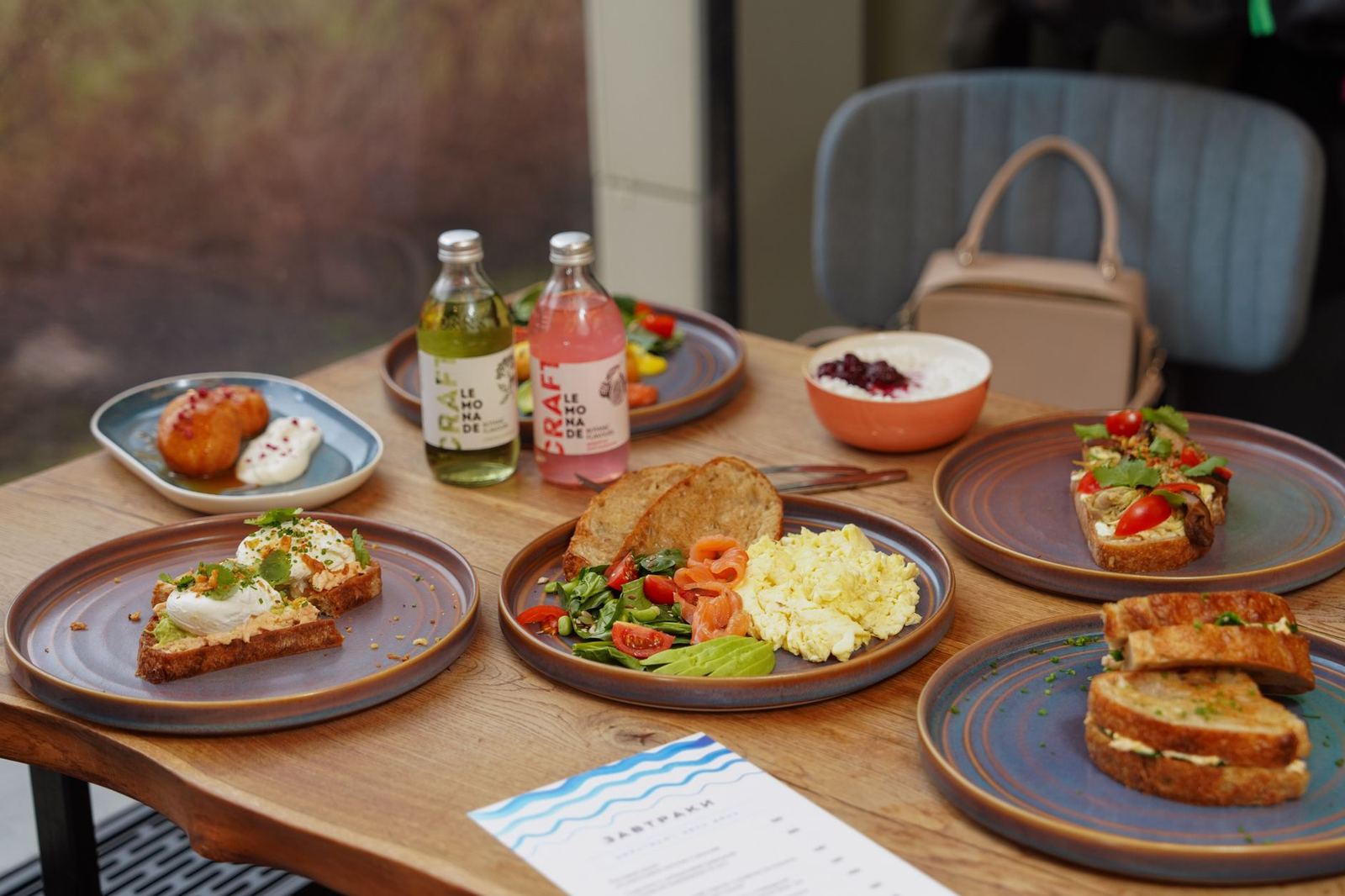
Eggs are the backbone of most brunch menus, and they reward a little technique. The savory brunch dishes guide gathers the main options, from skillet bakes to filled pastries.
A few savory directions work almost anywhere:
- Baked egg dishes such as quiche, strata and breakfast casseroles, which hold well on a buffet.
- Skillet dishes such as shakshuka, hash or frittata, served straight from the pan.
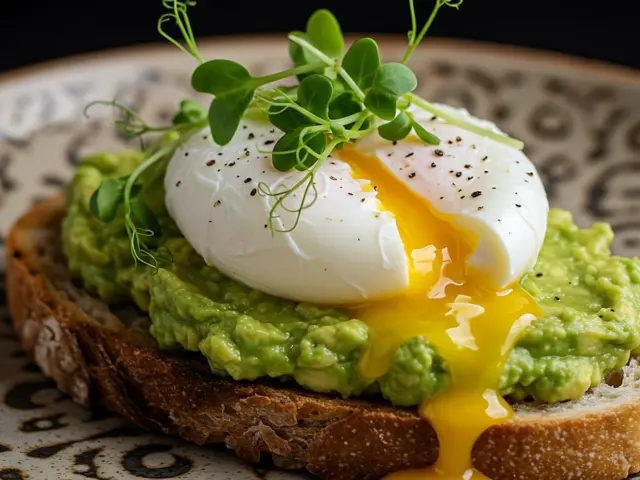
- Toast-based plates, such as avocado toast, smoked fish on rye or mushrooms on sourdough.
- Sandwiches and wraps with egg, cheese and greens that guests can eat standing up.
- Sides such as roasted potatoes, grilled tomatoes, sautéed greens and baked beans.
For the timing of each style, the Clemson Home and Garden Information Center gives cooking times in its safe egg handling fact sheet, updated May 16, 2025. They are a handy reference when you are juggling several pans:
| Egg style | Cooking guide |
|---|---|
| Fried | 2 to 3 minutes on each side, or 4 minutes in a covered pan |
| Scrambled | Cook until firm throughout |
| Poached | 5 minutes over boiling water |
| Soft-cooked in the shell | 7 minutes in boiling water |
The same Clemson fact sheet says that for quiche and casseroles, a knife inserted in the center should come out clean. That simple test saves you from serving a soft middle to a full table.
Be careful with classic sauces. Clemson lists hollandaise sauce among foods made with raw egg ingredients that are not cooked, and advises starting with a cooked base or using pasteurized eggs, with a thermometer reading of 160 °F for a cooked base, in its egg safety guidance. If Eggs Benedict is on your menu, that is the detail worth checking first.
Sweet brunch dishes, fruit and make-ahead plans
The sweet side of the table is where you can do the most work the day before. Batters, doughs, crumbles and fruit salads cope well with a night in the refrigerator, and the sweet brunch recipes guide collects ideas for each.
Sweet dishes that suit a relaxed table include:
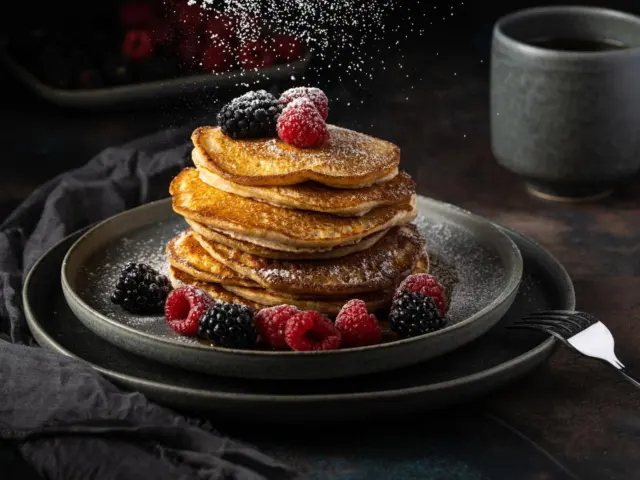
- Pancakes or waffles kept warm in a low oven with toppings in small bowls.
- Overnight French toast bakes assembled the evening before.
- Muffins, scones and coffee cake that can be baked a day ahead.
- Yogurt parfaits or overnight oats served in jars.
- Seasonal fruit salad with mint or a squeeze of citrus.
The best hosts treat the oven like a team member. The make ahead brunch recipes collection focuses on dishes that are mostly finished before the first guest rings the bell, so you spend the morning talking rather than whisking.
Make-ahead egg dishes need a little care, because raw egg is part of many soaked or baked recipes. Clemson says recipes using raw eggs should be cooked immediately or refrigerated and cooked within 24 hours. That fits an overnight French toast bake or a strata that goes in the oven the next morning.
Once a mixed egg dish is cooked, the UConn fact sheet advises cooking mixed dishes evenly until 160°F and aiming to finish or discard leftovers by the four-day mark. Cool leftovers quickly in shallow containers, and refrigerate them at once.
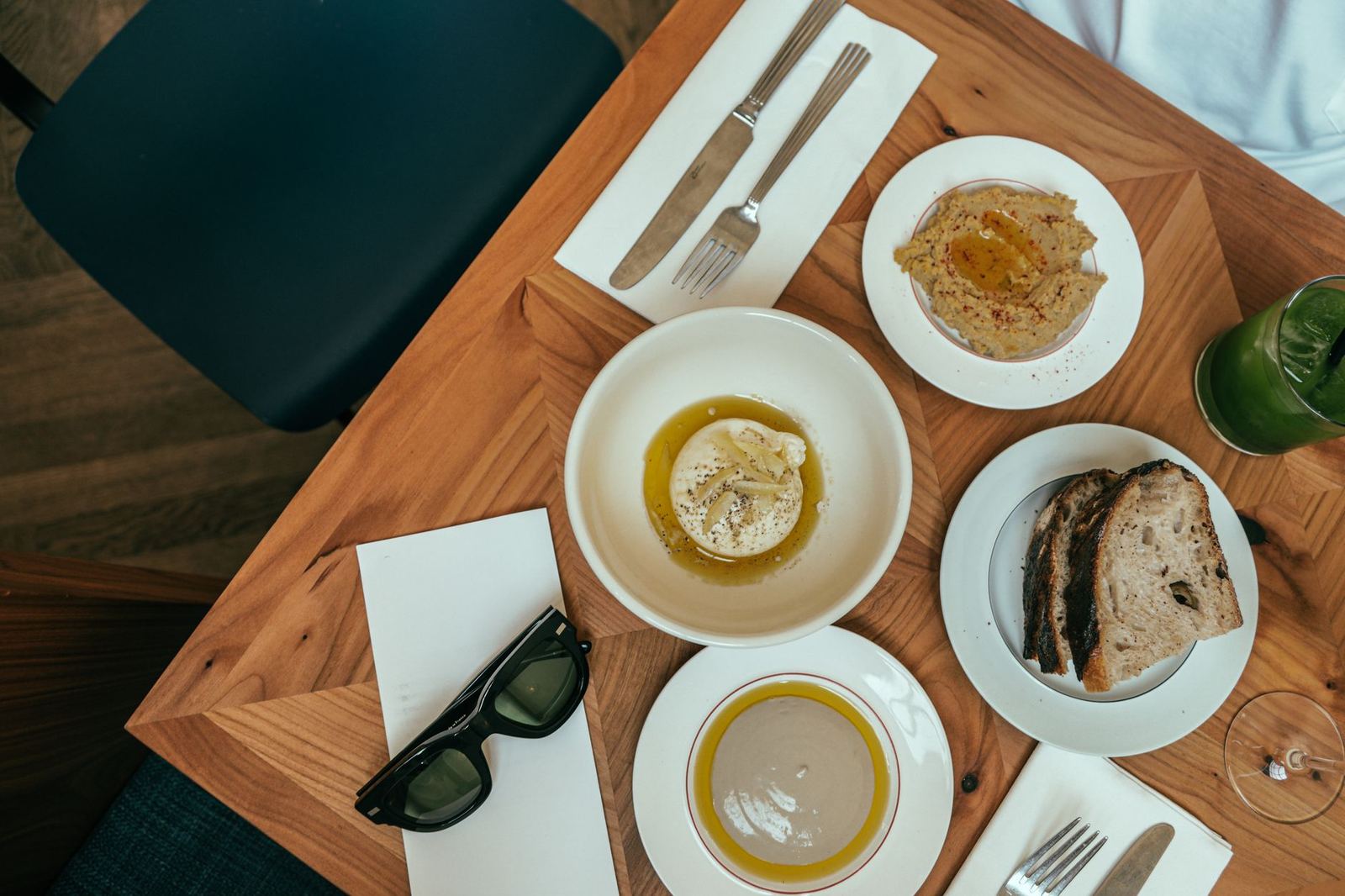
Brunch drinks, with and without alcohol
Brunch began with a hot drink. Beringer’s 1895 plea described a meal that starts with tea or coffee, and a good coffee or tea station still makes an easy, welcoming first stop, as The Irish Times quotes it.
Alcohol soon joined the table. VinePair notes that Beringer swapped drinks traditionally associated with breakfast for alcoholic ones, and the same article pictures a Sunday of sipping Mimosas. The Irish Times also describes brunch-goers reaching for tall glasses of spiced tomato juice alongside eggs and hollandaise.
A well-stocked brunch drink table covers a few bases:
- Coffee and tea, with milk, oat milk and sugar on the side.
- Fresh juice or a juice-and-sparkling-water mix for guests who want something light.
- A sparkling option, such as a Mimosa, for those who want one.
- A spiced tomato juice, served with or without alcohol.
- Iced tea, lemonade or flavored water in a jug for refills.
Not everyone wants alcohol at breakfast time, and nobody should have to explain why. The non alcoholic brunch drinks guide offers ideas that feel festive rather than like an afterthought.
A simple trick is to make the non-alcoholic version the default and let guests add a splash of sparkling wine. Serving drinks in the same glasses keeps everyone feeling included, and it keeps the table looking tidy.
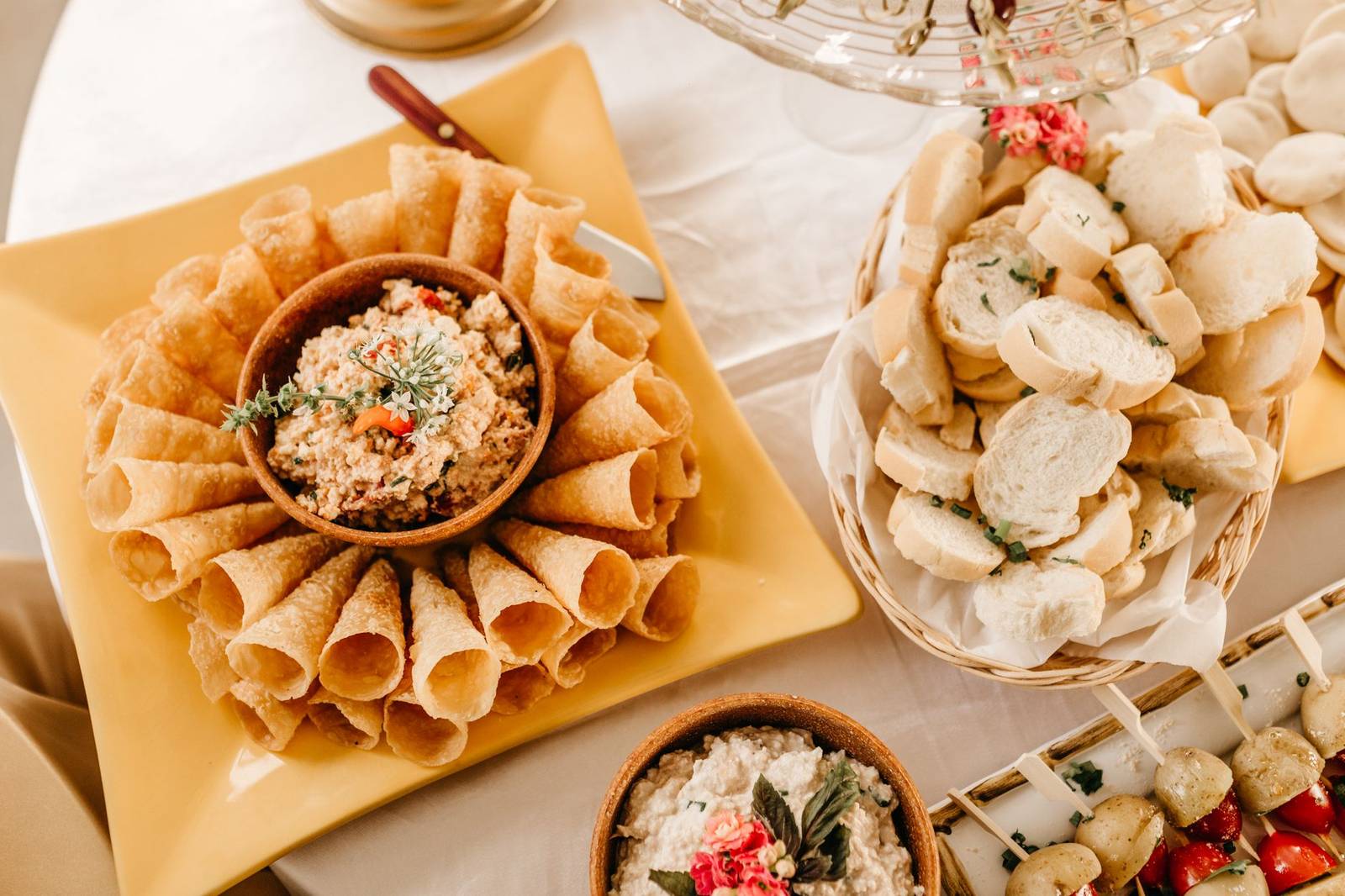
Hosting a relaxed brunch at home
Hosting is mostly about order of operations. The guide on how to host a brunch walks through planning, seating and pacing in more depth.
Restaurants show how demanding the meal can be. In her memoir, as reported by The Irish Times, chef Gabrielle Hamilton says Prune in New York City has only 30 seats yet served more than 200 customers for brunch on an average Sunday in just five hours. At home you will have far fewer plates to turn, but the lesson holds: pace matters more than speed.
A hosting plan that keeps the cook calm might look like this:
- Choose a menu with a mix of make-ahead and quick dishes.
- Prep fruit, batters and toppings the day before, and keep raw-egg mixtures chilled.
- Set the table and the drinks station before guests arrive.
- Bake or reheat the main dish while you greet people.
- Cook the last-minute items, such as fried or poached eggs, in small batches.
The choice between a buffet and plated service shapes the whole morning. A buffet suits a larger group, because guests serve themselves at their own pace and you stay part of the conversation. Plated or family-style service suits a smaller table, where you bring out shared dishes and let people pass them around.
Set up the room so food and drink flow in different directions. Put the drinks station away from the food, so someone refilling a coffee does not block the line for the baked dishes. Small cards beside each dish help guests with allergies or dietary preferences choose with confidence, especially for anything containing eggs, nuts, dairy or gluten.
Think about serving temperature as well as flavor. Dishes that taste good warm rather than scalding, such as baked egg dishes, roasted potatoes and pastries, are friendlier to a long, slow table than anything that must be eaten the second it leaves the pan. Keep fruit salad and yogurt chilled until the moment you serve them.
Egg-rich dishes deserve a little extra thought on a buffet. Put out smaller portions and refill from the kitchen instead of leaving a single large dish out for the whole morning. That keeps the food fresher and fits the egg safety habits described further down.
Plan the flow of the morning in three loose stages: arrival, the main meal and the lingering. Offer a drink and a small bite at the door, such as fruit or a pastry, so early guests are not left waiting while you finish the last dish. Once everyone is seated, let the meal stretch out with refills of coffee, tea and juice rather than rushing to clear the table.
Small touches make a table feel generous without adding much work:
- A jug of water with citrus slices, so guests can help themselves between coffees.
- A serving spoon for every dish, so flavors and allergens do not travel from bowl to bowl.
- Extra napkins and small plates for pastries and fruit.
- A basket of warm bread or rolls in the middle of the table.
- Herbs or simple flowers in jars instead of elaborate decorations.
- Music at conversation volume, so nobody has to shout across the table.
Ask guests about dietary needs when you invite them, not on the morning itself. A short message is enough, and it lets you plan a vegetarian main, a dairy-free option or a gluten-free bread without last-minute scrambling. Children are usually happiest with plain pancakes, toast, fruit and scrambled eggs cooked until firm, and a small table of their own can keep the adults’ conversation going.
Finally, leave space in the plan for the part brunch is really about, which is sitting still. Decide in advance which tasks can wait until after the meal, such as washing the big pans, and stack plates in the kitchen rather than clearing the moment someone finishes. When the meal winds down, cool and store leftover egg dishes promptly, and send guests home with fruit, pastries or baked goods that keep well.
Readers who like exploring how other cuisines handle a slow morning meal can browse dutch food for a different set of dishes and traditions.
Egg safety at the brunch table
Eggs can carry Salmonella, and the UConn Extension fact sheet says improperly handled or prepared eggs can cause foodborne illness. It adds that symptoms can be worse for children under four years, older adults and people with weakened immune systems. Clemson names pregnant women among the vulnerable groups too.
The following habits keep a brunch table safe, based on the UConn fact sheet:
- Buy only refrigerated eggs, and check for dirt and cracks in the shell.
- Refrigerate eggs right away, keeping the refrigerator at or below 40°F, as UConn advises.
- Do not wash commercially packaged eggs, because washing could increase the risk of contamination.
- Use raw shell eggs within 3 to 5 weeks, and keep hard-boiled eggs for no more than 1 week.
- Discard eggs that have been out for more than 2 hours at room temperature.
Cooked dishes need the same discipline. Clemson says to serve cooked egg dishes immediately or cool them quickly in shallow containers, and not to keep them out of the refrigerator more than two hours. UConn recommends cooking until firm or until 160°F for the safest consumption, so recheck both figures before a big event.
Frequently asked questions
What are good brunch ideas for beginners?
Show answer
Start with a simple egg dish, toast, fruit and a hot drink. Add one make-ahead sweet item, such as muffins or a fruit salad, so the cooking is spread across the morning.
How long can I keep hard-boiled eggs for a brunch?
Show answer
The UConn Extension fact sheet (April 2024) says to store hard-boiled eggs in the refrigerator for a maximum of 1 week. Clemson’s guidance, updated May 16, 2025, also says to use them within a week.
Is it safe to serve runny eggs to guests?
Show answer
According to Clemson, hard-cooked eggs should be safe for everyone, while people at risk of foodborne illness should avoid soft-cooked eggs. Healthy people may choose eggs that are less than totally firm. When in doubt, cook until firm.
What time should brunch be served?
Show answer
Beringer’s original idea was a meal served around noon, as The Irish Times quotes it. In practice, anywhere from late morning to early afternoon works, as long as guests know the start time.