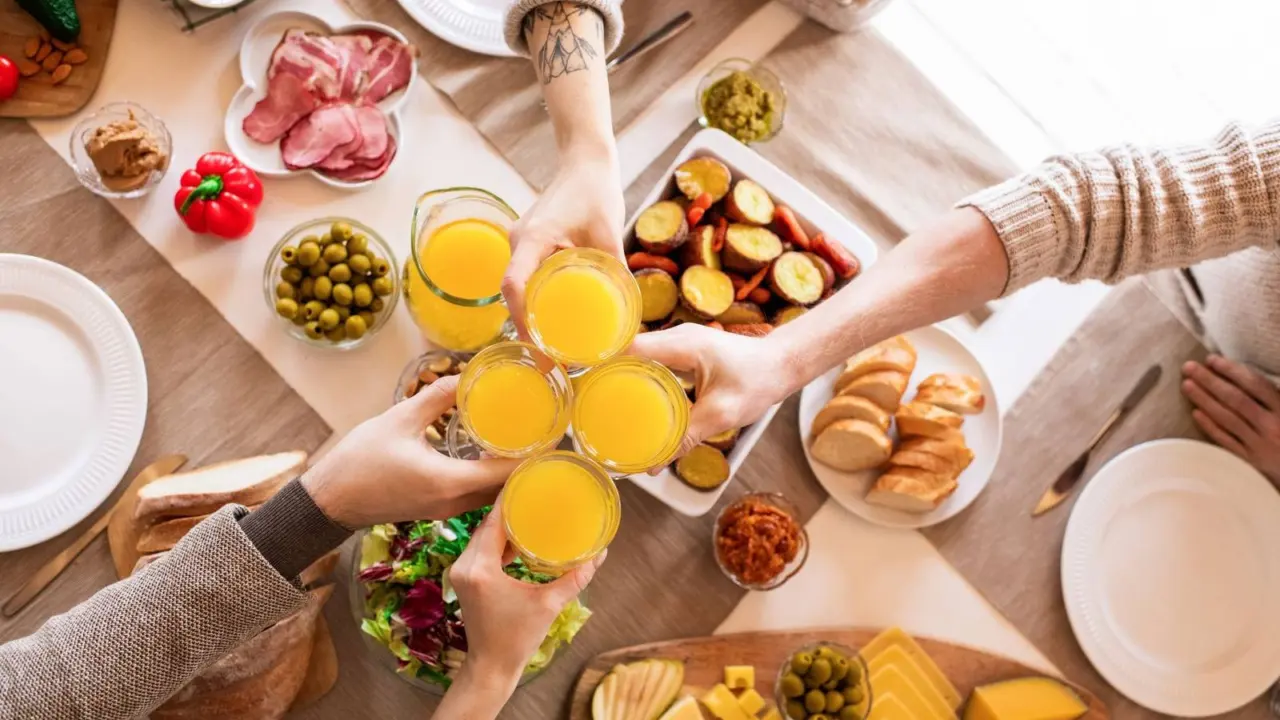
Worried about juggling hot eggs, cold fruit and a crowd? Here is how to host a brunch calmly: prep ahead, keep hot food hot and cold food cold, and watch the clock.
For more inspiration, browse the brunch ideas collection.
| Item | Value |
|---|---|
| Keep hot food at | 140 °F or warmer |
| Keep cold food at | 40 °F or colder |
| Room-temperature limit for perishables | 2 hours (1 hour above 90 °F) |
| Oven setting for hot backup dishes | 200 °F to 250 °F |
| Reheat refrigerated egg dishes to | 165 °F |
These figures come from the FDA’s Serving Up Safe Buffets guidance and a Hackensack Meridian Health host guide. Guidance can change, so check the source before you rely on the figures.
Plan the menu and the timeline
Start with the clock, not the recipes. Work backwards from the moment guests arrive and decide which dishes can be finished the day before and which need to be cooked fresh.
The Clemson Home & Garden Information Center factsheet, revised May 15, 2020, says not to hold prepared foods in the refrigerator more than a day or two. If you prepare them further in advance, it advises you to freeze them instead.
Many hosts lean on make ahead brunch recipes so the morning is for finishing touches rather than chopping.
Before the day itself, run through a short checklist drawn from the same Clemson factsheet:
- Can you borrow or rent the chafing dishes or warmers you need?
- Do you have enough large serving dishes to swap out frequently?
- Do you have enough plates and utensils? Disposable kinds are often better than rushed washing.
- Is there enough refrigerator space for everything you plan to chill?
That last point matters because an overcrowded refrigerator can warm up enough to speed bacterial growth, according to the Clemson factsheet. Keep the refrigerator at 40 °F or below, and leave room for air to move.
Pick dishes that hold up on a buffet
A brunch table works best when the dishes forgive a little waiting. A spread of savory brunch dishes can anchor the menu, as long as you plan how each one will be kept hot or cold.
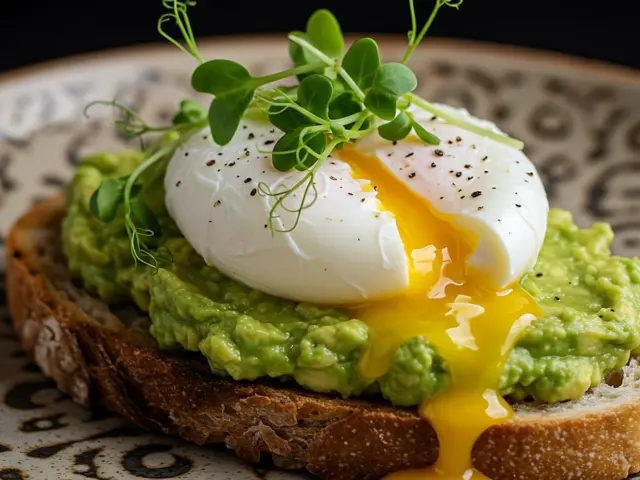
Egg dishes such as quiches or soufflés can be refrigerated and served later. The FDA says they should be thoroughly reheated to 165 °F before serving.
Some foods need extra care. The Clemson factsheet calls foods containing meat, poultry, seafood, eggs or milk the most perishable. The Hackensack Meridian Health guide, published April 15, 2025, lists these perishables to keep refrigerated until party time:
- Finger sandwiches
- Cheese chunks
- Soufflés
- Fruit salad
- Dips
- Foods that contain dairy products
If you are not sure how fast the food will disappear, keep portions small. Prepare several small platters ahead of time and bring out fresh ones as the first run empties.

How do you keep hot and cold food safe?
Hot food needs a real heat source and a thermometer. The FDA says hot foods should stay at an internal temperature of 140 °F or warmer, and cold foods at 40 °F or colder. Use a food thermometer to check rather than guessing.
Chafing dishes, slow cookers and warming trays can hold heat. The same FDA page warns that some warmers only hold food at 110 °F to 120 °F, so read the product label. Clemson adds that small candle warming units may not keep hot foods hot enough.
A simple setup keeps both ends of the table covered:
- Keep hot backup dishes in an oven set at 200 °F to 250 °F until you need them, per the FDA.
- Store cold backup dishes in the refrigerator until the moment they go out.
- Set cold plates on ice if they will stay out longer than 2 hours.
- Swap nearly empty dishes for freshly filled ones rather than topping them up.
That last step is worth the habit. The FDA notes that bacteria from people’s hands can contaminate food during a party, so replacing a dish is safer than adding new food to an already filled one.
Watch the clock and handle leftovers
The FDA describes a 2-Hour Rule: discard perishables left out at room temperature for more than 2 hours, unless you are keeping them hot or cold. If the room is above 90 °F, the safe holding time drops to 1 hour.
Clemson counts the whole journey, not just the buffet. Preparation, storage and serving time all add up toward the two-hour limit for protein foods held at room temperature.
Leftovers follow the same clock. Refrigerate them within 2 hours, whether you are sending them home with guests or saving them for yourself, per the FDA.
Cool them in shallow containers so they chill quickly. The Clemson factsheet also says never to put deep containers of hot food in the refrigerator, and to limit thicker foods to 2 inches deep.
Prep eggs and surfaces safely
Eggs are the heart of most brunch menus, so a few habits are worth building. The FDA says a food thermometer is the only way to ensure the safety of meat, poultry, seafood and egg products, and that eggs should be cooked until the yolk and white are firm.
Some family recipes call for raw or lightly cooked eggs, such as homemade Caesar dressing, custards or mousse. To adapt them, heat the eggs with the recipe’s liquid to 160 °F, buy products that are already cooked or pasteurized, or use pasteurized eggs.
Keep your prep area clean as you go:
- Wash your hands with warm water and soap for at least 20 seconds before and after handling food.
- Use one cutting board for raw meat and poultry and another for cooked foods, salads and sandwiches.
- Wash cutting boards, dishes, utensils and counter tops with hot soapy water after each food item.
- Use a tasting spoon only once, then wash it before using it again.
The first three habits come from the FDA’s guidance and the last from the Clemson factsheet. None of them takes long, and together they remove most of the risk from a busy kitchen.
Frequently asked questions
Can I prepare brunch food the day before?
Show answer
Often yes. The Clemson factsheet says not to hold prepared foods in the refrigerator more than a day or two, and to freeze anything made further ahead.
How long can brunch food sit on the table?
Show answer
No more than 2 hours for perishables left at room temperature, unless you keep them hot or cold. Above 90 °F the limit falls to 1 hour, according to the FDA.
Do I really need a food thermometer?
Show answer
For hot dishes, yes. The FDA says hot foods should be kept at 140 °F or warmer and tells you to use a thermometer to check.
Are candle warmers enough to keep eggs hot?
Show answer
Not necessarily. The Clemson factsheet says small candle warming units may not keep hot foods hot enough, so a chafing dish, slow cooker or warming tray is a safer choice.