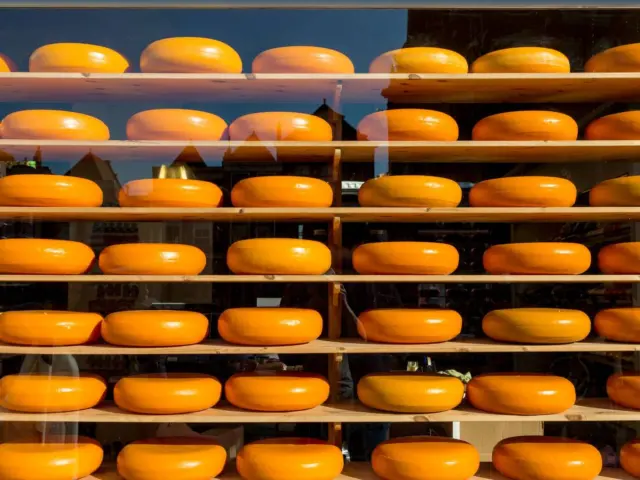

Standing at a Dutch café counter and fancy something milder? You want a koffie verkeerd: roughly half hot coffee, half warm milk, the Dutch take on café au lait.
Koffie verkeerd sits at the friendly end of dutch food, where a hot drink and a small bite tend to arrive together.
| Item | Value |
|---|---|
| Literal meaning | “Wrong coffee” |
| Typical mix | Half coffee, half warm milk |
| Home recipe amounts | 4 oz (125 ml) strong drip coffee plus 4 oz (125 ml) milk |
| Average Dutch coffee consumption (as cited by The Dutch Table) | 2.4 cups a day |
| Dutch people who say coffee without cookies is “not done” | Nine out of 10 |
The figures above come from The Dutch Table, a food blog. Consumption numbers and habits change over time, so check the source before you rely on them.
What does koffie verkeerd mean?
The name translates as “wrong coffee”. Wiktionary explains it as koffie plus verkeerd, “coffee the wrong way round”, meaning a lot of milk with coffee rather than the normal coffee with a bit of milk.
Ordinary Dutch coffee traditionally contains only a wolkje, a small cloud of milk, according to The Dutch Table. Koffie verkeerd turns that around: half coffee and half warm milk. That reversal is the whole joke behind the name.
Wiktionary lists the word as a masculine noun, uncountable and with no diminutive, and gives café au lait as the English equivalent. In practice you ask for a koffie verkeerd and you get a milky coffee. The SBS Learn Dutch lesson on coffee culture puts it simply: a koffie verkeerd is a coffee with a lot of milk.
A few words help when you read a Dutch menu or a recipe:
- koffie: coffee
- verkeerd: wrong, or the wrong way round
- wolkje: the “little cloud” of milk in ordinary coffee
- koekje: cookie, which Tasting Table says usually comes with the drink
- koffiemelk: the special milk the Dutch use in coffee, as described in the SBS lesson
How is koffie verkeerd different from regular Dutch coffee?
Plain Dutch coffee is usually filter coffee. The SBS lesson notes that quite a lot of people still like filter coffee and that the Dutch have a special milk for their coffee. Koffie verkeerd starts from that same kind of cup but changes the balance.
Here is how the three styles compare:
- Zwarte koffie: black coffee, which the SBS lesson lists as “gewone koffie of zwarte koffie”.
- Coffee with koffiemelk: black coffee with a little of that special milk, the “small cloud” idea.
- Koffie verkeerd: coffee and hot milk in roughly equal parts.
The “equal parts” detail shows up in more than one place. Era of We describes a method where coffee and hot milk are mixed in equal proportions, and calls it a Dutch take on the classic café au lait.
Café au lait itself can be traced back to France, says Tasting Table, and each country serves it a little differently. In the Netherlands it is usually made with equal parts coffee and milk and comes in a tall glass mug with a koekje.
How to make koffie verkeerd at home
The recipe on The Dutch Table is short. You need strong drip coffee, milk and, if you like, a sweetener.
- 4 oz (125 ml) strong drip coffee, hot
- 4 oz (125 ml) milk
- Sugar or sweetener as desired
Follow these steps:
- Brew the coffee strong, so the milk does not drown it.
- Warm the milk to the point of boiling.
- Add the hot milk to the hot coffee in the cup.
- Stir, and add sugar or sweetener if you want it.
- Serve with a cookie.
The method works with a basic drip machine. Era of We describes the Dutch koffiezetapparaat as a drip-style coffee machine that lets hot water drip through a paper filter filled with ground coffee. If you want a bigger drink, keep the same half-and-half balance and scale both amounts up together.
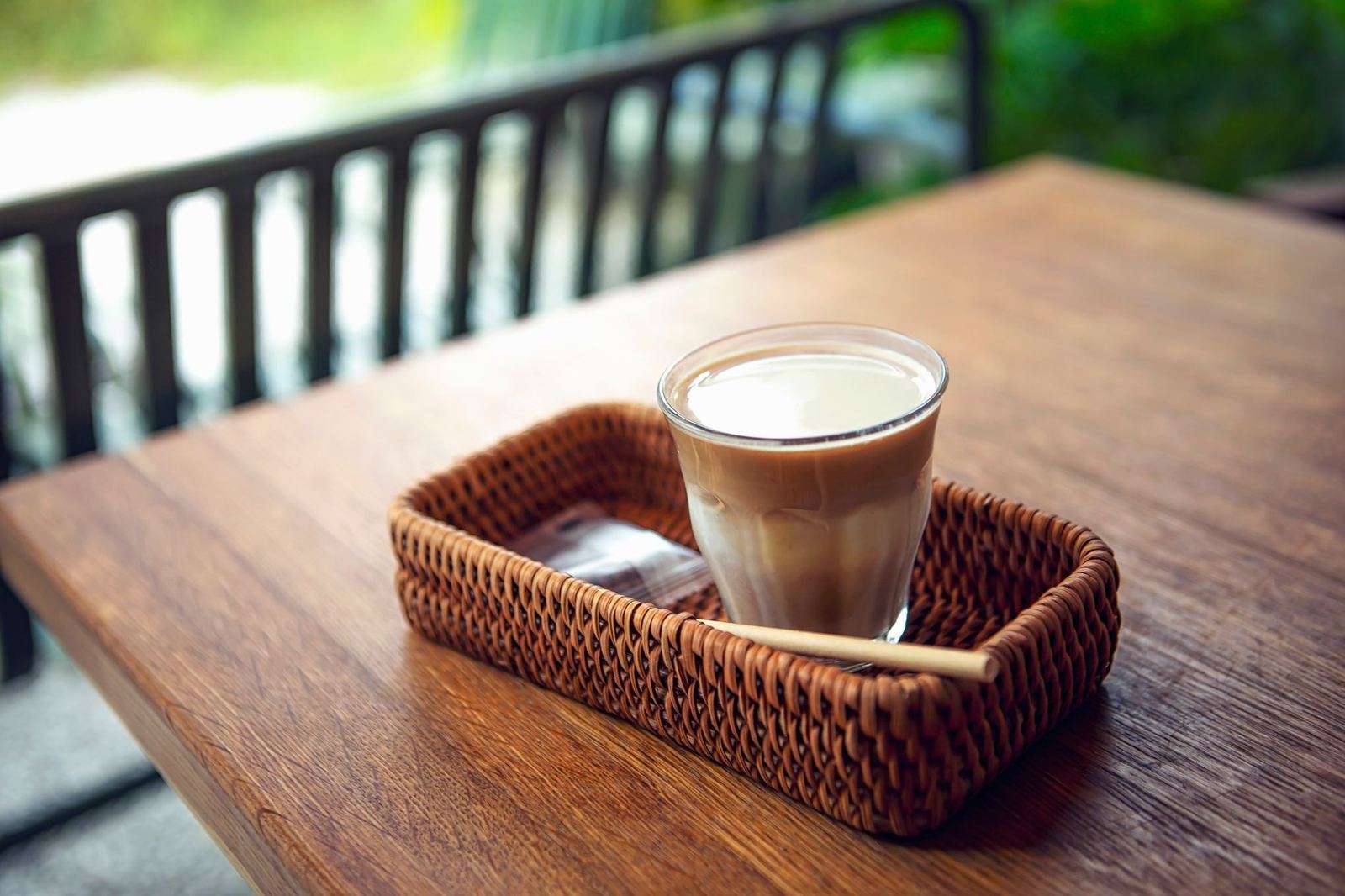
Ordering koffie verkeerd in a Dutch café
Look for a café or a koffiehuis. As of Tasting Table’s January 2023 article, the places called “coffeeshops” mainly sell cannabis, and the article, citing Rick Steves’ Europe, says they did originally sell coffee but that is not their main product today.
Once you are in the right place, ask for a koffie verkeerd. Expect a tall glass or mug of milky coffee, and do not be surprised by the extra on the saucer. The Dutch Table says that when you order coffee at a café, you usually get a cookie or a little piece of chocolate with it.
If you are curious about another Dutch sweet, the stroopwafel history is a good next read. And if you want something savoury to go with a milky cup, the uitsmijter recipe is a fine place to start.
The coffee habits behind the cup
The Dutch have been drinking coffee in public for a long time. The Dutch Table says public coffee houses have been part of city landscapes since the early seventeenth century, and that traditionally only men visited them, to talk politics, read newspapers and do business.
Over time coffee became part of the whole day. It was served with breakfast, then with lunch, then with dinner and again later in the evening. Era of We adds that coffee first arrived in the Netherlands in the 17th century, brought back by Dutch traders.
Today, The Dutch Table cites The Atlantic for an average of 2.4 cups a day, which makes the Netherlands the world’s most-coffee-drinking nation in that report. The blog’s author thinks that sounds low and puts a typical Dutch day at four to five cups, with one around 10:30 at work.
That mid-morning habit shows up in the SBS lesson too, which includes the line “At work we have a coffee break at 10 o’clock”. Because a milky koffie verkeerd is gentler than a black coffee, it suits a long, sociable break.
Why the cookie matters
The cookie is part of the ritual. According to The Dutch Table, nine out of 10 Dutch people insist that serving coffee without cookies is just not done.
The blog also pushes back on the rumour that the Dutch will only offer a single cookie. One of its commenters disagreed from experience, so treat the stinginess story as a running joke rather than a rule. What the sources agree on is that the cookie belongs with the cup, and that a second cup is a good reason for a second cookie.
Frequently asked questions
What does koffie verkeerd mean?
Show answer
It means “wrong coffee”. Wiktionary explains it as coffee the wrong way round, with a lot of milk instead of the usual bit of milk.
Is koffie verkeerd the same as café au lait?
Show answer
Wiktionary gives café au lait as its English equivalent, and Tasting Table says the Dutch version is usually made with equal parts coffee and milk. Expect a tall glass and a cookie on the side.
How much milk goes into a koffie verkeerd?
Show answer
About as much as the coffee. The Dutch Table’s recipe uses 4 oz (125 ml) of strong drip coffee and 4 oz (125 ml) of milk, plus sugar or sweetener as desired.
Can I order it in a Dutch “coffeeshop”?
Show answer
Not if you want coffee. As of Tasting Table’s January 2023 article, these places mainly sell cannabis, so look for a café or koffiehuis instead.
Do the Dutch serve a cookie with coffee?
Show answer
Usually yes. The Dutch Table reports that nine out of 10 Dutch people say serving coffee without cookies is not done, and that a café order often comes with a cookie or a little piece of chocolate.