Wondering what a traditional Dutch breakfast really involves? You can expect buttered bread with a single topping, such as cheese, jam, peanut butter or chocolate sprinkles called hagelslag.
This page is one part of the wider guide to dutch food on this site.
| Item | Value |
|---|---|
| Dutch word for breakfast | Ontbijt |
| Typical breakfast | Two or more boterhammen (slices of buttered bread with a topping) |
| Hagelslag eaten each year in the Netherlands | 14 million kilos |
| Dutch people who usually skip breakfast | Ages 19 to 50 |
| Literal meaning of hagelslag | Hailstorm |
The figures come from Expatica’s overview of Dutch food and Rachel Heller’s Letters from Holland post on Dutch sandwiches. Eating habits and sales figures can change, so check the source before you rely on them.
What does a traditional Dutch breakfast include?
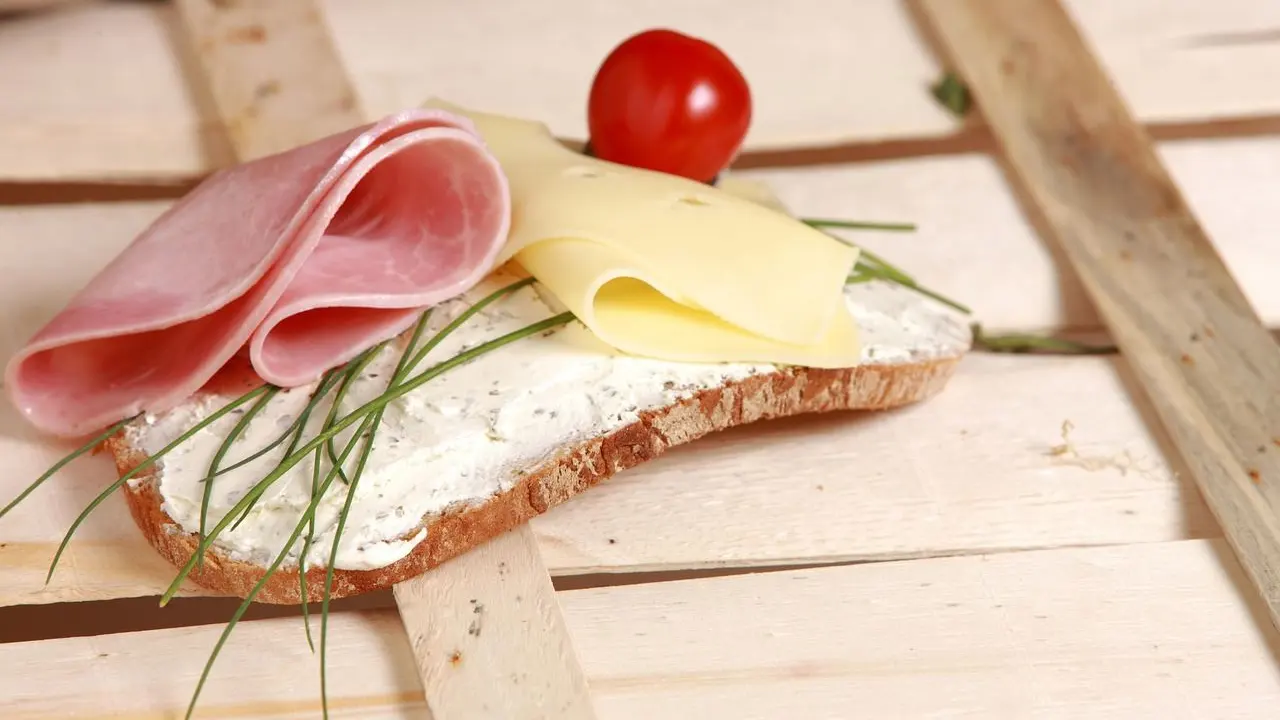
The boterham sits at the centre of it. According to Letters from Holland, breakfast in the Netherlands is generally made up of two or more boterhammen, which are slices of bread with a topping.
Each slice is buttered with butter or margarine, then cut in half, and then something else is added. The result is either folded into a closed sandwich or eaten open faced.
These sandwiches are light on purpose. The same writer describes a scant layer of butter and a single layer of cheese, sliced with a cheese slicer, and bread that ranges from quite bland white to very heavily seeded whole wheat.
The meal itself is low-key. Expatica notes that the first meal of the day doesn’t get much fanfare, that Dutch people aged 19 to 50 usually skip it, and that when they do eat it, it tends to be high in starch and sugar.
Common toppings for Dutch breakfast bread
The topping list is short on cooking and long on spreads. These are the ones that come up most in the sources:
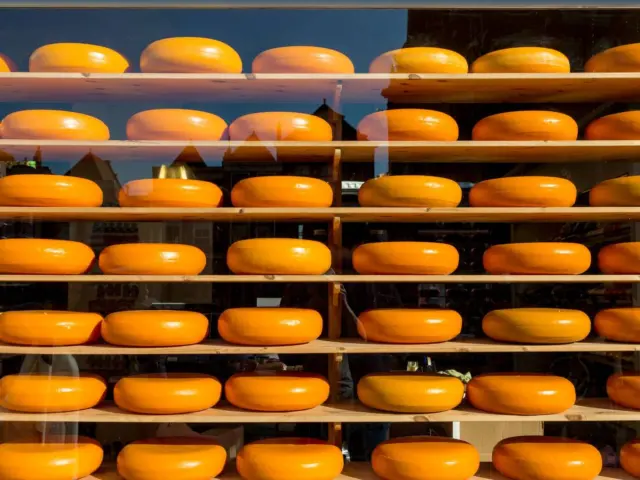
- Kaas (cheese): sliced thin with a cheese slicer. Letters from Holland notes that an American reader would call it Gouda.
- Hagelslag: chocolate sprinkles scattered over the butter.
- Chocopasta: a smooth, spreadable paste made from chocolate and, usually, hazelnuts.
- Pindakaas: peanut butter, spread thinly over butter.
- Jam: also spread thinly over butter.
- Cold cuts: for example a single thin slice of parma ham.
- Muisjes: sugar-coated anise seeds, covered further down.
- Smeerkaas: spreadable cheese made by adding emulsifying salts to melted cheese.
If cheese is your main breakfast topping, the guide to types of dutch cheese explains what to look for at the counter.
One rule gets mentioned often. Rachel Heller writes that Dutch people never combine peanut butter and jam, and that the suggestion usually earns a “Wat vies!”, which basically means “Disgusting!” They eat one or the other, each thinly spread with butter (Letters from Holland).
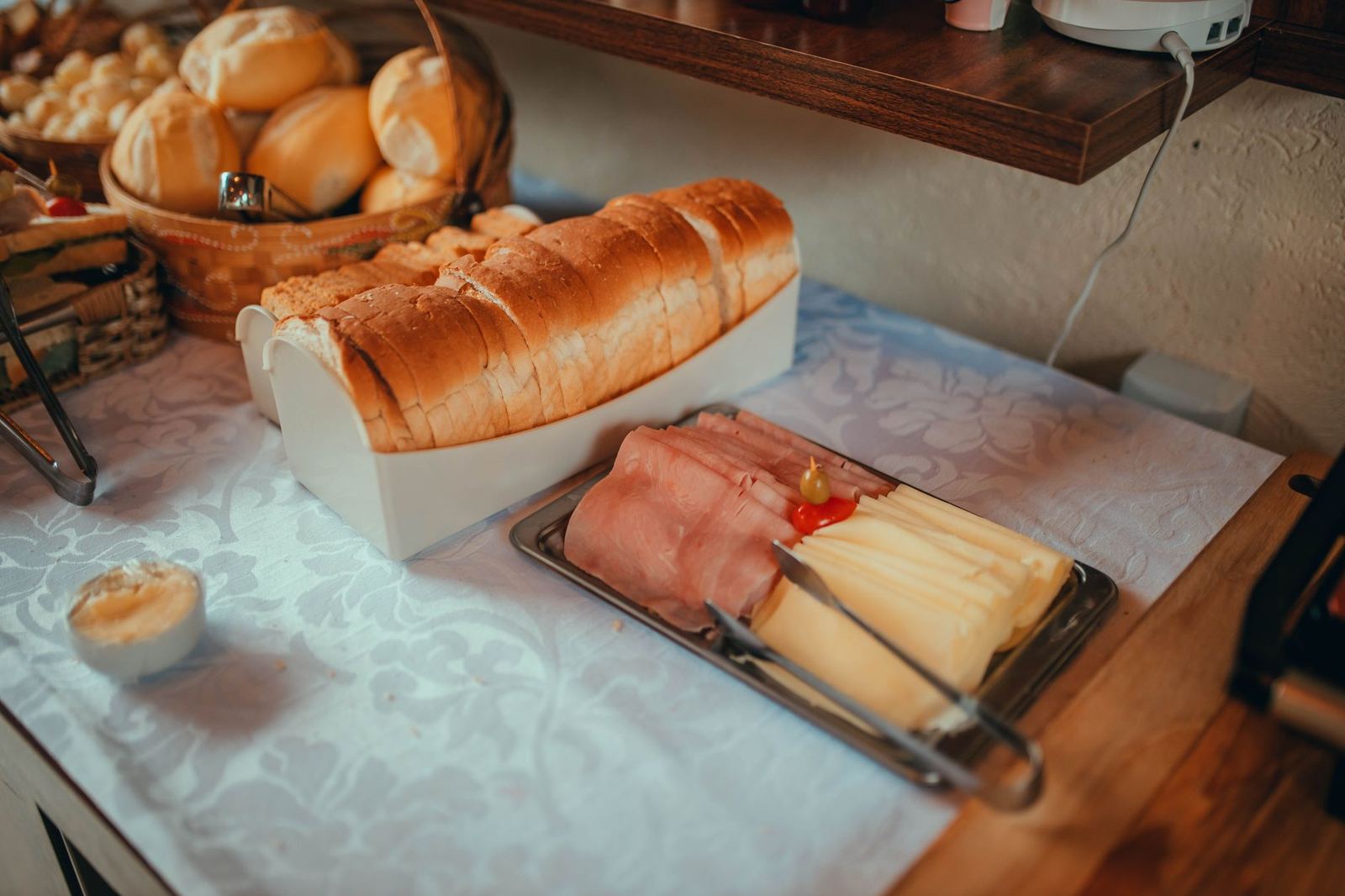
Tara’s Multicultural Table describes a breakfast spread in Amsterdam with a basket of bread and pastries, butter, peanut butter, cheese and often hagelslag (Tara’s Multicultural Table). That gives you a good picture of what a Dutch cafe or hotel table can look like.
Hagelslag: the sprinkles that define the table
Hagelslag literally translates as hailstorm. It is chocolate sprinkles, milk or dark, and Dutch people eat it for breakfast on top of a thin layer of butter or margarine, according to Letters from Holland.
It is also a big business. Expatica reports that a whopping 14 million kilos of hagelslag are eaten annually in the Netherlands.
Hagelslag is not just plain chocolate. DutchReview lists milk, dark and white chocolate, plus fruit, forest fruit and anise versions (DutchReview).
Tara’s Multicultural Table adds vanilla, apple, elderberry, strawberry and raspberry to the flavour list. It also mentions that the shapes vary, including chocolate flakes (Tara’s Multicultural Table).
Muisjes and the baby-visit tradition
Muisjes means little mice, and they are anise seeds covered in a sugar coating. They are usually pastel blue, pastel pink or white, and Letters from Holland says they are not an everyday topping (Letters from Holland).
They do appear when a baby is born. Visitors are served biscuit met muisjes, a round toasted rusk spread with a thin layer of butter and sprinkled with muisjes.
DutchReview adds that blue and white muisjes are traditional for boys and pink and white for girls. It says the custom goes back as far as the 17th century, and that muisjes are also handed out at work and school as a treat (DutchReview).
How the Dutch really eat breakfast
Many people eat on the move. Expatica says the Dutch eat breakfast on the go more often than not, and that sales of breakfast cereal bars and yogurt cups are on the rise.
Lunch follows the same pattern. Rachel Heller writes that a Dutch lunch looks just like breakfast: sandwiches, spread thinly with butter and one other item each (Letters from Holland).
That is why the boterham is worth knowing. It covers a large share of the day’s eating, and the same thin-butter, single-topping logic applies to every slice.
How to put a Dutch breakfast together at home
The simplest version is bread with butter and hagelslag. Tara’s Multicultural Table uses 1 slice of white or brown bread, 1 tablespoon (14 grams) of softened butter and 1 1/2 tablespoons of hagelslag, with a prep time of 2 minutes (Tara’s Multicultural Table).
- Soften the butter at room temperature.
- Spread the butter evenly over the bread.
- Cover it with the sprinkles.
- Serve immediately.
Tara’s Multicultural Table suggests a creamy European butter if you can get it. The author also likes the dish on beschuit (Dutch rusk) or sourdough instead of white bread.
To build a fuller table, set out bread, butter, a thin-sliced cheese, peanut butter and jam. Keep each layer thin and use one topping per slice. If you want a sweeter weekend extra, try the poffertjes recipe for Dutch mini pancakes.
Frequently asked questions
What is breakfast called in Dutch?
Show answer
It is called ontbijt, according to Expatica.
Do the Dutch really eat chocolate sprinkles for breakfast?
Show answer
Yes. Hagelslag is eaten on buttered bread, and Expatica reports that 14 million kilos are eaten annually in the Netherlands (Expatica).
Can you eat peanut butter and jam together on a Dutch sandwich?
Show answer
You can, but Rachel Heller reports that the suggestion usually draws a disgusted reaction. The usual habit is one or the other on the butter (Letters from Holland).
What are muisjes?
Show answer
They are anise seeds covered in a sugar coating, served on a buttered rusk when a baby is born. DutchReview says the custom goes back as far as the 17th century (DutchReview).