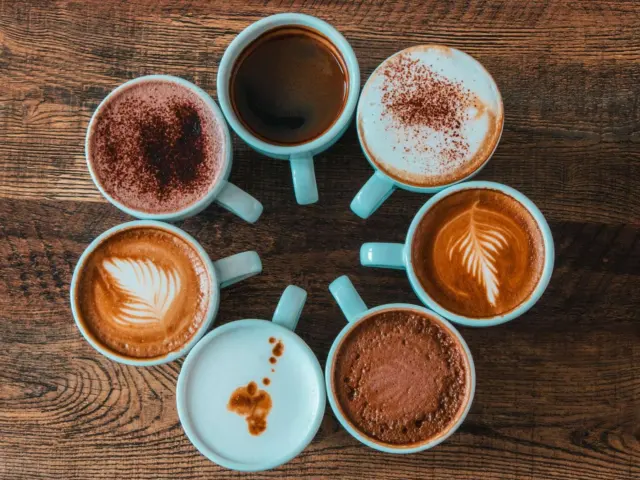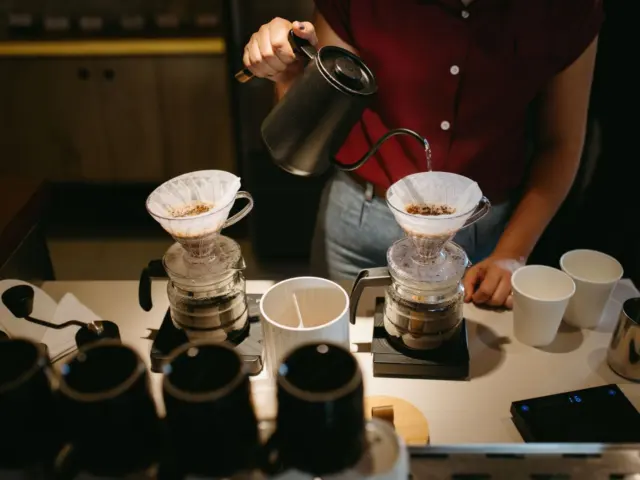
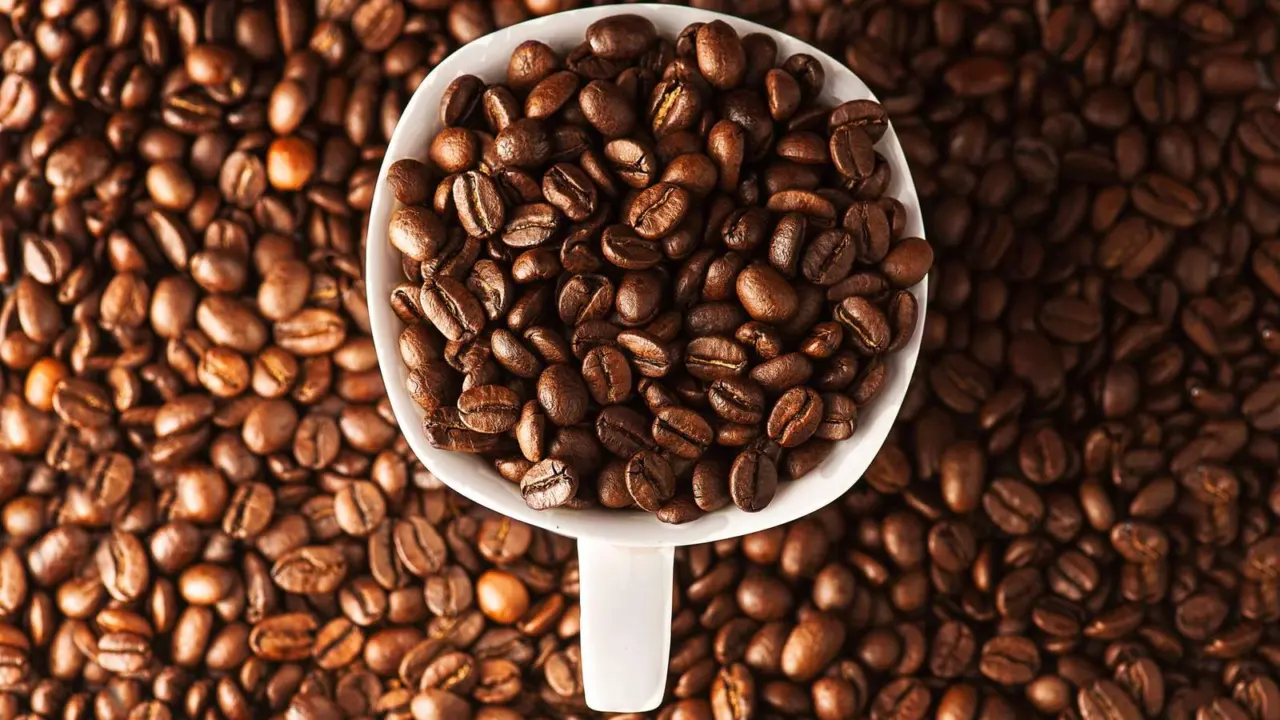
Wondering what the label on the bag really means? Specialty coffee explained: it is coffee that scores at least 80 points on a 100-point cupping scale and is virtually defect-free. Here is what that means for you at the counter.
This guide is part of the wider world of cafe culture, and it unpacks a label you will meet on bags, menus and chalkboards.
| Item | Value |
|---|---|
| Classic specialty cut-off on the SCA cupping form | Over 80 points on a 100-point scale |
| Attributes on the classic form | 10 attributes worth 10 points each |
| Cups in a standard cupping sample | 5 cups |
| Score treated as defective on the classic form | Under 70 points |
| Q Grader training length | Six-day intensive course |
| Launch of the SCA Coffee Value Assessment | April 2023 |
These figures come from Royal Coffee and Perfect Daily Grind. Scoring rules and definitions can change, so check the sources before you rely on them.
What does specialty coffee actually mean?
The short version: specialty coffee is coffee that trained tasters score highly and find clean in the cup. On the classic form, Royal Coffee explains that specialty coffee was defined by any cup score over 80 points. Simon & Bearns words it as 80 points or higher, so sources differ slightly on whether exactly 80 counts.
The score is not the whole story. In a July 2024 Perfect Daily Grind piece, Tony Dreyfuss of Metropolis Coffee Company said there is no need to redefine specialty coffee so long as people agree it scores at least 80 points and is virtually defect-free.
Below that line sits everything else. According to Royal Coffee, any score under 70 points was considered defective, while commodity coffee was scored in the 70-79.75 range.
How the 100-point cupping score works
Tasters, known as cuppers, work from a standard form. Royal Coffee says the Specialty Coffee Association of America released its well-known form in 2004, built on a 100-point system of ten attributes worth ten points each.
Those attributes cover what you smell, taste and feel:
- Fragrance and aroma: the smell of the dry grounds, then of the coffee once water is added.
- Flavor: the coffee’s main character, a mix of taste and aroma.
- Aftertaste: how long the flavor lingers after you swallow.
- Acidity: brightness when pleasant, sourness when overpowering.
- Body: the weight and texture of the liquid, also called mouthfeel.
- Balance: how the different parts work together.
- Overall: the taster’s general impression at the end.
- Uniformity, clean cup and sweetness: checked cup by cup.
Seven of the ten categories are scored on a 6-10 point scale, and the three cup-by-cup categories are uniformity, clean cup and sweetness, as Royal Coffee lays out. A standard setup uses five cups per sample, so each cup is worth two points in those categories. For good, clean coffee that usually means 30 guaranteed points before the flavor even starts.
One detail helps when you read tasting notes. The same Royal Coffee guide says perceived acidity, the one judged at the cupping table, differs from chemical acidity on the pH scale. A bright coffee is not simply a sour one.
Scoring is also a trained skill. Royal Coffee says the Coffee Quality Institute certifies users of the form as Q Graders after a six-day intensive training period. Simon & Bearns adds that recertification typically happens every three years to keep calibration current.
What the score bands tell you
Scores are often grouped into bands. Simon & Bearns, a German roastery, describes them like this.
| Score | Typical description |
|---|---|
| 80-82 | Solid entry-level specialty, clean, with recognizable sweetness |
| 83-84 | Good quality, clear, with pleasant acidity and structure |
| 85-86 | Very good, distinct terroir, high sweetness, long clean finish |
| 87-89 | Outstanding, complex, precise, often a top microlot |
| 90+ | Exceptional and rare, mostly the smallest competition lots |
The same guide stresses that the score table is not a price list, though in practice it correlates with market value. Royal Coffee describes anything 90+ as an incredibly rare, super-specialty selection worthy of extravagant pricing and adulation. Treat the bands as rough guides, because different sources draw the lines a little differently.
Cup of Excellence and the newer SCA assessment
The SCA form is not the only scoring route. Ozone Coffee says Cup of Excellence began in Brazil in 1999, uses eight scored attributes marked from 0 to 8 in half points, and asks judges to score the quality of the acidity, not the quantity.
That competition is selective. In the same Ozone Coffee explanation, coffees need 86 points or above to survive each national stage, and only the top 30 scoring 87 or higher from the international jury are awarded a Cup of Excellence.
The SCA has also moved on. Perfect Daily Grind reports that the SCA launched its Coffee Value Assessment in April 2023, which the association says it developed to reduce the intersubjectivity of cupping. It includes four assessment stages that Q graders can use separately or collectively:
- Physical: green coffee checks such as moisture content, appearance and visual damage.
- Extrinsic: factors such as identity, certification and origin.
- Affective: the cupper’s personal opinion of quality on the 100-point scale.
- Descriptive: flavour and aroma attributes, with no positive or negative implications.
As of that July 2024 article, reactions to the new protocols had been somewhat mixed. Some worry that extrinsic factors and certifications could favour producers with more market access.
Why the definition is still debated
Even the industry body for coffee-producing countries has no single answer. The International Coffee Organization held the third meeting of its Focus Group on Specialty Coffee on 15 January 2025, and its report dated 1 October 2025 shows delegates sharing different definitions.
Indonesia’s delegate said the minimum score for specialty coffee should remain at 80 points, with coffees above 90 points classed as premium, and proposed raising allowable defects from 5 to 11, according to the ICO report. Brazil’s delegate argued the definition is subjective, echoing the Specialty Coffee Association of Japan wording: coffee that consumers evaluate and are satisfied with.
The EU-Italy delegate noted that a single common definition may not be feasible. As of that January 2025 meeting, the group simply agreed the Secretariat should consolidate the definitions submitted by members before the next meeting, per the same ICO report.
Critics inside the trade raise another point. Perfect Daily Grind notes that a cupper’s personal opinion can skew scores, and that this variability can result in inequitable compensation for producers. Dreyfuss added that he does not believe cup score is particularly useful for judging quality beyond a very simple definition.
How to use the label at the counter
Treat the label as a starting point, not a verdict. Dreyfuss told Perfect Daily Grind that some consumers only care about cup score when it is on packaging, and most are not even aware that coffee is graded and scored (Perfect Daily Grind, July 2024).
A few habits make the label more useful:
- Read the tasting notes and origin before the score, since they describe what you will actually drink.
- Match the notes to your own taste, because quality will always be subjective.
- Ask what is on offer if the menu is unclear, and keep it brief when the queue is long.
If a menu leaves you unsure what to say, the guide to how to order coffee at a cafe covers the wording. Questions at the counter are normal, and a few points of cafe etiquette keep them friendly for everyone behind you.
Frequently asked questions
Is specialty coffee simply coffee that scores 80 or more?
Show answer
That is the common shorthand: Simon & Bearns says coffee scoring 80 points or higher is considered specialty. Yet delegates at the ICO focus group meeting on 15 January 2025 still debated whether one definition is feasible, per the ICO report.
What is a Q Grader?
Show answer
A Q Grader is a taster certified through the Coffee Quality Institute. Royal Coffee says certification follows a six-day intensive training period.
Does a higher score mean I will like the coffee more?
Show answer
Not necessarily. Perfect Daily Grind states that coffee quality will always be subjective, because everyone has their own preferred acidity, sweetness, balance and body.
Does specialty coffee have to be a light roast?
Show answer
The cup-score definitions above do not set a roast level. Perfect Daily Grind does report that SCA cupping guidelines largely rely on lighter roast profiles with more complex sensory profiles, which is why some drinkers feel their simpler tastes are overlooked.